Plan Your Safari
Planning a safari should be exciting, not complicated. With so many destinations, wildlife areas, lodges and travel options to choose from, expert advice can make all the difference.
Our Africa travel experts can help you choose the right destinations and experiences, creating a tailor-made safari around your travel dates, interests and budget. From your first safari to a special celebration or a safari-and-beach combination, every journey can be designed around you.
Contact us to start planning your safari and we’ll help turn your ideas into a memorable African journey.
What Is A Safari?
The word “safari” comes from the Swahili word for journey, and today it describes one of the most memorable ways to experience Africa’s wildlife and landscapes. A safari gives you the opportunity to explore remarkable national parks and reserves, encounter animals in their natural habitat and enjoy the sights and sounds of the African wilderness.
No two safari days are quite the same. Early morning and afternoon game drives may bring encounters with elephants, lions, giraffes, buffalo, leopards and countless other species, while time at your lodge or camp allows you to relax and enjoy the surrounding landscape.
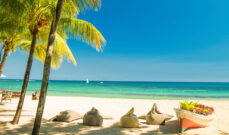
Whether you are planning your first safari, returning to Africa or combining a wildlife adventure with an Indian Ocean beach stay, we can tailor your journey around the places you want to see and the way you like to travel.
What Will I See On A Safari in Africa?
Every safari is different, but you can expect extraordinary landscapes, memorable wildlife encounters and plenty of moments that simply cannot be planned. From sunrise over the savannah to spectacular African sunsets and clear, star-filled skies, the scenery is an important part of the safari experience.
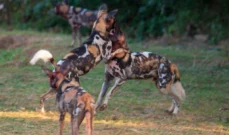
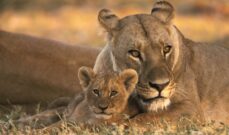
Depending on where you travel, you may encounter elephants, lions, leopards, giraffes, zebras, buffalo, rhinos, cheetahs and an incredible variety of birdlife. Each national park and reserve has its own character, wildlife and landscapes, from open plains and wetlands to forests, mountains and deserts.
A safari is about much more than simply spotting animals. Along the way you may experience game drives, guided walks, boat safaris and visits to local communities, giving you a deeper appreciation of Africa’s wildlife, landscapes and cultures.
How Close Can I Get to the Animals on An African Safari?
Wildlife encounters are one of the most exciting parts of an African safari, and at times animals may come remarkably close to your safari vehicle. Elephants may wander past, lions may rest beside the track and curious giraffes or other wildlife can sometimes approach surprisingly near.
Your guide will always maintain a safe and respectful distance, following the rules of the national park or reserve and allowing the animals to behave naturally. Wildlife should never be approached, disturbed or encouraged to change its behaviour simply to provide a closer view.
Always follow your guide’s instructions and remain inside the vehicle unless you are specifically told it is safe to leave. Experienced safari guides understand animal behaviour and will position the vehicle to give you excellent viewing and photography opportunities while respecting the wildlife.
What are the Accommodation Options on an African Safari Holiday?
Safari accommodation in Africa ranges from comfortable lodges to intimate tented camps, each offering a different way to experience the surrounding wilderness. We carefully select properties for their location, character, service and overall experience, while always keeping your preferred style and budget in mind.
Safari Lodges
Safari lodges are permanent properties located within or close to national parks, private reserves and wildlife conservancies. They vary from small, intimate lodges to larger properties and usually offer comfortable en-suite rooms, a restaurant and bar, relaxing communal areas and, in many cases, a swimming pool. Some overlook rivers, waterholes or open plains where wildlife can sometimes be seen directly from the lodge.
Tented Camps & Tented Lodges
Tented safari accommodation offers a wonderful sense of being close to nature without necessarily sacrificing comfort. Rooms are typically spacious canvas tents set on raised wooden or permanent platforms, with proper beds, en-suite bathrooms and private verandas.
Styles range from simple traditional safari camps to beautifully appointed tented lodges with swimming pools, excellent dining and spacious public areas. Falling asleep to the sounds of the African bush can be one of the most memorable parts of a safari.
Which is Right for You?
There is no single best choice. Some travellers prefer the facilities of a safari lodge, while others love the atmosphere and intimacy of a tented camp. Many itineraries combine different styles of accommodation, giving you the opportunity to experience both during your safari.
A Join-In Safari Or A Private Safari?
Choosing between a join-in safari and a private safari will depend on your budget, preferred style of travel and how much flexibility you would like during your journey.
Join-In Safaris
Join-in safaris operate on scheduled departure dates and allow you to share your safari vehicle with other travellers. Group sizes are usually small, making this an excellent way to enjoy a professionally guided safari while keeping costs lower than a private itinerary.
The itinerary and game-drive schedule are generally fixed, so there is less flexibility, but you still enjoy the same wonderful wildlife areas and the services of an experienced safari guide.
Private Safaris
A private safari gives you exclusive use of your safari vehicle and guide. Your itinerary can be tailored around your interests, preferred accommodation, travel dates and budget, with greater flexibility during your journey.
Private safaris are particularly suited to couples, families, friends travelling together or anyone who prefers a more personalised safari experience.
Which Should You Choose?
Both options offer excellent opportunities to experience Africa’s wildlife. A join-in safari can provide very good value and a sociable experience, while a private safari offers greater flexibility and privacy.
- Read More on Group Join-In Safaris
- Read More on Private Safaris in Africa
A Road Safari or a Fly-In Safari?
Both road and fly-in safaris offer wonderful ways to explore Africa, and the best choice will depend on your destination, available time, budget and preferred style of travel. Some itineraries combine both, giving you the advantages of travelling overland as well as the convenience of flying between more distant areas.
Road Safaris
Road safaris allow you to experience more of the country as you travel between national parks, reserves and lodges. Depending on the destination, travel is usually in a specially adapted 4×4 safari vehicle or safari minibus, designed to provide excellent wildlife viewing and photography opportunities.
On a private road safari, you have exclusive use of your vehicle and driver-guide, giving you greater flexibility throughout your journey. Longer journeys can often be broken up with overnight stays or visits to different wildlife areas along the way.
Fly-In Safaris
Fly-in safaris use scheduled or charter light-aircraft flights to travel between safari areas, significantly reducing travelling time and making remote camps and reserves much easier to reach.
On arrival, your lodge or camp will normally arrange your game drives and other safari activities. These are often shared with other guests, although private vehicles can sometimes be arranged at an additional cost.
Fly-in safaris are particularly popular in destinations such as Botswana, Zambia and Zimbabwe, where camps can be separated by considerable distances and some wilderness areas are most easily reached by light aircraft.
Which is Right for You?
A road safari allows you to see more of the landscape and can offer excellent value, while a fly-in safari saves time and provides access to some of Africa’s most remote wilderness areas. We can also combine the two to create an itinerary that makes the best use of your time and budget.
Are Safaris Physically Demanding?
Most safaris do not require a high level of physical fitness, as much of your wildlife viewing will take place from a safari vehicle. However, there are a few practical considerations to keep in mind when planning your trip.
Long-haul flights, connecting flights and road transfers can make some travel days tiring. Safari roads can also be rough and uneven, so game drives may occasionally be quite bumpy, particularly in more remote wildlife areas.
Safari vehicles vary according to the destination and reserve. Some are open-sided 4×4 vehicles, while others have enclosed sides and opening roofs. Early-morning game drives can be cool, while daytime temperatures can become warm, so comfortable layered clothing is useful.
Activities such as guided bush walks can require a greater level of fitness and may involve walking for several hours over uneven terrain. These activities are usually optional and can be discussed when we plan your itinerary.
If you have particular mobility requirements, we can take these into consideration when recommending destinations, accommodation and safari arrangements, helping to create a holiday that is comfortable and enjoyable for you.
TYPICAL DAY ON SAFARI
No two days on safari are exactly the same, but most follow a relaxed rhythm designed around the times when wildlife is most active.
Early Morning
Your day will usually begin before sunrise with tea or coffee before setting out on a morning game drive. The cooler early hours are an excellent time for wildlife viewing, with animals often active before the heat of the day.
After several hours exploring, you will return to your lodge or camp for breakfast or brunch and some time to relax.
During the Day
The middle of the day is generally yours to enjoy at leisure. Depending on your lodge, you might relax by the pool, enjoy lunch, watch wildlife from a terrace or waterhole, or simply take some time to rest before the afternoon activity.
Afternoon & Evening
Later in the afternoon, you will usually head out again for another game drive as temperatures begin to cool and wildlife becomes more active.
In private reserves and concessions, the drive may continue after sunset, giving you the opportunity to experience the African bush at night and look for nocturnal wildlife. In national parks, activities will follow the opening hours and regulations of the particular park.
Back at Camp
After your evening activity, return to your lodge or camp for drinks and dinner. Sitting beneath the African night sky and listening to the sounds of the bush is often just as memorable as the day’s wildlife encounters.
Every safari is different, and daily schedules will vary depending on your destination, accommodation and the activities included in your itinerary.
What Are The Activities on a Southern Africa Safari?
A safari in Southern Africa can offer much more than traditional game drives. Depending on your destination, lodge and the season, your itinerary may include a variety of activities designed to experience the landscape and wildlife from different perspectives.
South Africa is also an excellent choice for first-time and experienced safari travellers, with a wide variety of national parks and private game reserves.
Game Drives
Morning and afternoon game drives are at the heart of most safaris. In private reserves and concessions, night drives may also be offered, providing the opportunity to look for nocturnal wildlife after sunset.
Walking Safaris
Guided bush walks offer a completely different perspective on the African wilderness. Accompanied by an experienced guide, you can discover animal tracks, plants, birds and the smaller details that are easily missed from a vehicle. Walking activities are subject to local conditions and your guide’s assessment.
Water-Based Safaris
In destinations such as Botswana’s Okavango Delta and along the Zambezi River, wildlife can also be experienced from the water. Depending on location and water levels, activities may include mokoro excursions, boat safaris and canoeing.
Victoria Falls & Livingstone
A stay at Victoria Falls or Livingstone can add another dimension to your safari. Popular experiences include guided visits to Victoria Falls, sunset cruises on the Zambezi River and scenic helicopter flights over the Falls. A range of other activities may also be available depending on the season and local conditions.
Activities vary considerably between destinations and properties, so we will advise you which experiences are available and included when planning your itinerary.
When Is the Best Time to Visit Victoria Falls?
Victoria Falls can be visited throughout the year, but the experience changes dramatically with the level of the Zambezi River. The best time to visit therefore depends on whether you want to see the Falls at their most powerful, enjoy clearer views of the rock face or combine your stay with particular activities.
High Water – March to May
The Falls are generally at their most powerful around March and April. Huge volumes of water cascade over the edge, creating the spectacular spray that gives Victoria Falls its traditional name, Mosi-oa-Tunya – The Smoke That Thunders. At peak flow the spray can be extremely heavy, sometimes obscuring parts of the Falls from ground-level viewpoints.
Falling Water Levels – June to August
As water levels gradually fall, visibility generally improves while there is still an impressive volume of water flowing over the Falls. This can be an excellent period for combining Victoria Falls with a safari elsewhere in Southern Africa.
Lower Water – September to December
During the latter part of the dry season, water levels are considerably lower and more of the dramatic rock face and gorge become visible. The Falls generally reach their lowest levels around November and December, and sections of the Zambian side can have very little water.
Lower water can also bring opportunities for seasonal activities such as Devil’s Pool, although access depends entirely on current river conditions and cannot be guaranteed.
There is no single ‘best’ month to visit Victoria Falls. We can advise you on the most suitable time according to the experience you would like and how Victoria Falls fits into the rest of your African itinerary.
When Is the Best Time to See the Wildebeest Migration in Tanzania?
The Great Wildebeest Migration is a year-round natural cycle, with vast herds of wildebeest, zebra and other grazing animals moving through the Serengeti ecosystem in search of fresh grass and water. Where you are most likely to see the herds depends on the time of year, rainfall and local conditions.
December to March – Southern Serengeti & Ndutu
During these months, large herds are generally found across the southern Serengeti and Ndutu plains. The calving season usually takes place from late January into March, when thousands of young wildebeest are born and predator activity can be particularly exciting.
April to June – Moving North
As the rains change, the herds begin their journey northwards through the central and western Serengeti. During this period, impressive concentrations of wildebeest and zebra may be seen moving across the plains.
July to October – Northern Serengeti
The migration generally reaches the northern Serengeti during these months. This is the period associated with the famous Mara River crossings as herds move between Tanzania’s Serengeti and Kenya’s Masai Mara.
River crossings are spectacular but completely natural and unpredictable. They cannot be guaranteed on any particular day or during any particular stay.
November to December – Returning South
As the seasonal rains begin, the herds gradually move south through the Serengeti once again, continuing the annual migration cycle.
There is no single best time to experience the Great Migration. We can recommend the most suitable area of the Serengeti and safari camps according to your travel dates and the type of migration experience you would most like to see.
When Is the Wildebeest Migration in the Masai Mara?
The Great Wildebeest Migration usually reaches Kenya’s Masai Mara between July and October, when vast herds of wildebeest and zebra move north from Tanzania’s Serengeti in search of fresh grazing.
During this period, the herds may cross the Mara River, creating some of Africa’s most dramatic wildlife encounters. However, the migration is a natural event influenced by rainfall and grazing conditions, so the timing and location of the herds can vary from year to year.
River crossings cannot be predicted or guaranteed, but travelling during the main migration season gives you the best opportunity to experience large concentrations of wildlife in the Masai Mara.
We can recommend the best safari areas and camps for your travel dates, whether your priority is the Great Migration or an outstanding Kenya safari at another time of year.
Safari Planning Guide
Meals on Safari
Meals are an enjoyable part of the safari experience, and many lodges and camps offer excellent cuisine in beautiful surroundings. Depending on your itinerary, meals may be served in the lodge restaurant, outdoors overlooking the bush or occasionally in a special setting such as a traditional boma.
Most safari stays include breakfast, lunch and dinner, although the exact meal plan varies between properties. Early-morning tea or coffee and afternoon refreshments are also commonly offered around safari activities.
Dietary requirements can usually be accommodated with advance notice, so please let us know about any allergies or special dietary needs when planning your holiday.
Drinking Water
Safe drinking water is normally provided by safari lodges and camps, either as bottled or filtered water. We recommend drinking the water supplied by your accommodation and carrying drinking water with you during game drives and transfers.
Your individual itinerary will provide further guidance where necessary for the countries you are visiting.
Money on Safari
Most of your main safari arrangements will normally be paid for before you travel, so there is generally no need to carry large amounts of cash. However, it is useful to have some local currency or US dollars for tips, small purchases and other personal expenses.
Credit and debit cards are widely accepted at many hotels and safari lodges, although facilities can be more limited in remote areas and card payments may occasionally be affected by poor internet connections.
Currency requirements vary between African countries, so we recommend checking the arrangements for your particular destination before travelling. We will also provide guidance relevant to your itinerary.
Safari Photography
An African safari offers wonderful opportunities for photography, whether you are using a smartphone, compact camera or professional equipment. Wildlife can appear unexpectedly, so keeping your camera ready and carrying spare batteries or a portable charger is always a good idea.
If you are using a camera with interchangeable lenses, a zoom or telephoto lens is particularly useful for wildlife photography. A protective camera bag can also help keep your equipment safe from dust while travelling on safari roads. Binoculars are another useful addition, particularly for viewing distant wildlife and birds.
Always ask permission before photographing local people and communities. Photography may also be restricted around airports, border crossings, military installations and certain government buildings, so follow the advice of your guide and any local signs or regulations.
If you are travelling with large amounts of photographic equipment, particularly on a fly-in safari, please let us know in advance. Light aircraft often have strict baggage allowances and restrictions on the size and weight of luggage, and additional arrangements may sometimes be required.
Professional photography, filming or the use of drones may require permits or special permission depending on the destination, national park or reserve. Please ask us for advice before travelling if you plan to take professional equipment or a drone.
How Much Should I Tip on Safari?
Tipping is customary on safari and is a welcome way to show your appreciation for good service, although it is always discretionary. The amount you choose to give should reflect the service you have received and should never feel compulsory.
Safari guides, driver-guides, trackers and other activity staff are commonly tipped separately, while many lodges and camps also provide a communal staff gratuity box for the wider team working behind the scenes.
Tipping practices and suggested amounts vary between countries, safari camps and lodges, so there is no single amount that is appropriate for every safari. Where relevant, we will provide guidance for your particular destination and itinerary before you travel.
Tips can often be given in local currency or US dollars, although the preferred currency may vary by destination. It is useful to carry some small-denomination notes, particularly when travelling in remote safari areas.
Clothing and Kit on a Safari Holiday
Safari clothing should be comfortable, practical and suitable for changing temperatures. Lightweight, breathable clothing in neutral colours such as khaki, beige, brown or green works particularly well for game drives. There is generally no need to buy specialist safari clothing.
Early mornings and evenings can be surprisingly cool, particularly when travelling in an open safari vehicle, so we recommend taking layers such as a fleece, jumper or lightweight jacket. During the warmer part of the day, lightweight shirts, trousers, shorts or skirts are usually comfortable.
A sunhat, sunglasses and good sun protection are essential, together with comfortable walking shoes or trainers. Insect repellent, lip balm and a small day bag are also useful additions to your safari packing list.
Most safari lodges and camps have a relaxed dress code, so smart-casual clothing is generally sufficient for evenings. Expensive jewellery and other unnecessary valuables are best left at home.
Baggage on a Safari Holiday
Baggage allowances on safari can differ from those on international flights, particularly when your itinerary includes travel by light aircraft. These flights often have stricter weight and size restrictions because of the limited luggage space available.
Soft-sided bags are generally recommended for safari travel and may be required on some light-aircraft flights. Large rigid suitcases can be difficult to accommodate in smaller aircraft and safari vehicles.
Baggage allowances vary according to the airline, aircraft and route, so we will advise you of the specific requirements for your itinerary before you travel. If you are carrying particularly heavy or bulky photographic equipment, please let us know when planning your safari.
Electricity on Safari
Electricity arrangements vary between safari lodges and camps. Some properties have mains electricity, while more remote camps may rely on generators or solar power and may not provide electricity 24 hours a day.
Charging points for phones, cameras and other small electronic devices are usually available, either in your room or in a central area of the lodge or camp. At some remote properties, charging facilities may operate only at certain times of the day.
Plug types vary between African countries and sometimes between individual properties, so we recommend travelling with a universal travel adaptor. We will advise you of any specific requirements relevant to your itinerary before you travel.
Medical & Emergency Evacuation
Comprehensive travel insurance is essential for a safari holiday and should include appropriate medical cover and emergency evacuation or repatriation. This is particularly important when travelling to remote safari areas where the nearest suitable medical facilities may be some distance away.
Your insurance should cover all the destinations and activities included in your itinerary, as well as cancellation, curtailment and any pre-existing medical conditions where applicable.
We recommend keeping your insurer’s emergency assistance details and policy information easily accessible while travelling. You should also check the terms and level of cover carefully before departure to make sure the policy is suitable for your particular trip.
Health & Medical Precautions
Before travelling, we recommend checking the latest health advice for each country included in your itinerary and speaking to your GP, pharmacist or a specialist travel health clinic well in advance of departure. Vaccination and malaria recommendations vary according to your destination, time of year and individual circumstances.
If you take regular medication, make sure you have an adequate supply for your entire trip and carry essential medication in your hand luggage. It is also useful to take a small personal first-aid kit containing any items you normally use when travelling.
Mosquito and insect-bite precautions are important in many safari destinations. Depending on where you are travelling, these may include using insect repellent, wearing long sleeves and trousers during the evening and using mosquito nets where provided.
If you are prone to motion sickness, bear in mind that safari itineraries can include bumpy road journeys, game drives and travel by light aircraft. Your doctor or pharmacist can advise you on suitable precautions if required.
Health requirements and recommendations can change, so always check current official travel health advice before departure.
Travel Insurance
Comprehensive travel insurance is essential for your safari holiday and should be arranged as soon as possible after booking. Your policy should provide appropriate cover for all the destinations and activities included in your itinerary.
We recommend choosing a policy that includes cancellation and curtailment, medical expenses and emergency assistance, delayed or cancelled travel, and lost, stolen or damaged baggage and personal belongings.
Safari lodges, camps and other travel arrangements can have strict cancellation terms. Suitable insurance can therefore provide important protection if unforeseen circumstances prevent you from travelling or disrupt your journey.
Please check your policy carefully before departure, including any exclusions, excesses and requirements relating to pre-existing medical conditions or particular activities.
Before you travel, check the latest UK government foreign travel advice for the countries included in your itinerary.
Ready to Plan Your African Safari?
Tell us where you’d like to go, when you’d like to travel and the kind of safari experience you’re looking for. Our Africa travel experts will create a tailor-made itinerary around your interests, travel dates and budget.