Makgadikgadi Pans National Park
Makgadikgadi Pans National Park offers one of Botswana’s most extraordinary and dramatic landscapes. Vast salt pans stretch across the horizon, remnants of an ancient lake that once covered a huge area of northern Botswana.
During the dry season, the pans create an almost otherworldly wilderness, while the summer rains transform the landscape and attract migrating zebra, wildebeest and abundant birdlife. It is a wonderfully different safari experience from the waterways and woodlands of northern Botswana.
Overview
During the green season, usually from November onwards, the Makgadikgadi region is transformed by the rains. Large herds of zebra and wildebeest move across the grasslands in search of fresh grazing, creating one of Botswana’s most impressive seasonal wildlife spectacles.
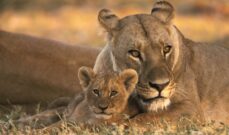
Along the Boteti River, elephants and other wildlife gather around the water, while lion, cheetah and spotted hyena are among the predators found in the region. Antelope and abundant birdlife add to the variety of wildlife that makes Makgadikgadi such a rewarding safari destination.
Fascinating Facts
- The Makgadikgadi Pans form one of the world’s largest salt-flat landscapes, covering thousands of square kilometres. Rather than one single pan, the region is made up of several pans, including Nwetwe, Sua and Nxai.
- The Makgadikgadi Pans are the remains of an enormous ancient lake that once covered much of northern Botswana. As the lake gradually dried thousands of years ago, it left behind the vast salt-encrusted pans seen today..
- The Makgadikgadi region is rich in history as well as wildlife. Early explorers including David Livingstone and Thomas Baines travelled through this remarkable landscape, while ancient baobab trees remain some of its most distinctive landmarks.
- The Makgadikgadi Pans also have a fascinating archaeological history, with evidence of early human activity and discoveries including ancient tools and animal remains.