MARA MIGRATION SAFARIS IN MASAI MARA
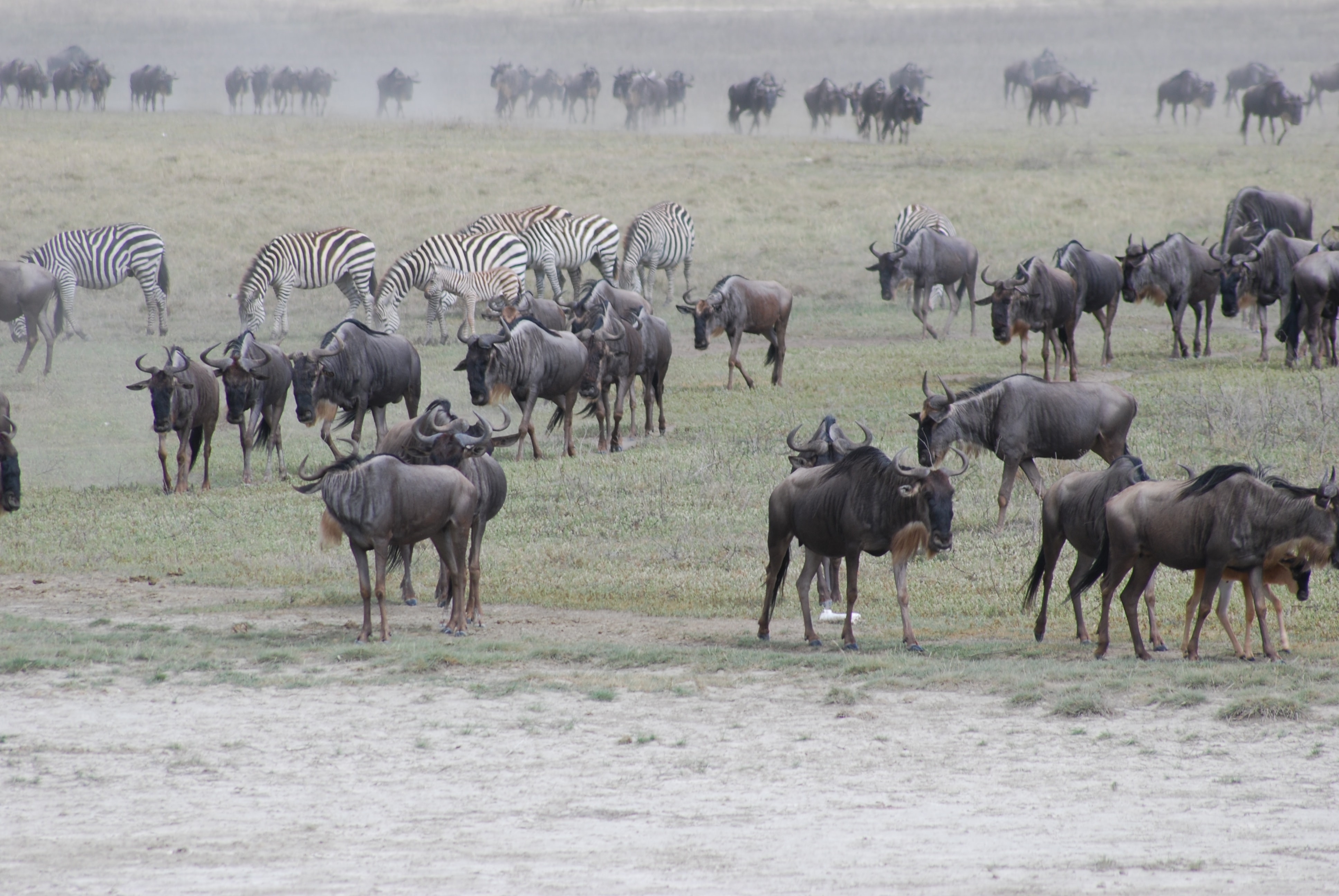
Mara Migration Safaris offer the opportunity to witness one of the world’s most spectacular wildlife events. The Great Wildebeest Migration takes place across the plains of East Africa, with vast herds of wildebeest, zebra and other animals moving through the Serengeti–Masai Mara ecosystem in search of fresh grazing and water.
A Masai Mara migration safari offers the chance to witness this remarkable natural event, including the dramatic Mara River crossings when conditions and timing are right. Our local knowledge and safari experience help you choose the best areas and camps for the time of year you travel.
What Are Mara Migration Safaris?
The Great Migration is the continuous movement of vast herds of wildebeest, zebra and other grazing animals through the Serengeti–Masai Mara ecosystem. Their journey follows seasonal rainfall and the availability of fresh grazing and water, creating one of the greatest wildlife spectacles in Africa.
The Masai Mara is particularly famous for the dramatic Mara River crossings, when migrating herds may enter Kenya from Tanzania’s Serengeti. The exact timing and location of the herds varies each year according to rainfall and conditions.
Where does it Occur?
The Great Migration takes place across the vast Serengeti–Masai Mara ecosystem, spanning northern Tanzania and southern Kenya.
Throughout the year, the herds move between different areas in response to seasonal rainfall, fresh grazing and water. The journey takes them through Tanzania’s Serengeti before many of the herds reach Kenya’s Masai Mara during the migration season.
This continuous movement means there is no single fixed migration route or timetable. The location of the herds varies from year to year, making expert planning particularly important when arranging a Masai Mara migration safari.
What is the best time to see the Great Migration?
The best time for a Masai Mara migration safari is generally between July and October, when large herds of wildebeest and zebra may be found in the Masai Mara. This is also the period associated with the famous Mara River crossings.
However, the Great Migration is a natural event and its movements are determined by rainfall, grazing and water conditions. River crossings cannot be predicted or guaranteed, and the timing varies from year to year.
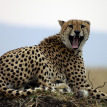
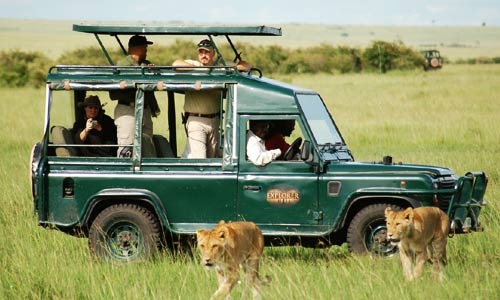
Even without witnessing a river crossing, this is an exceptional time to visit the Masai Mara. Large concentrations of wildlife on the open plains attract predators including lions, leopards and cheetahs, creating outstanding safari viewing throughout the migration season.
The Mara Thrilling Experience
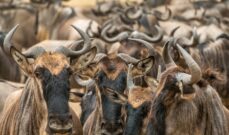
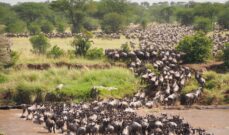
Photos by Sutirta Budiman & Jorge Tung
Witnessing the Great Migration in the Masai Mara can be an unforgettable safari experience. Huge herds may gather near the Mara River, sometimes waiting for hours — or even days — before conditions prompt them to cross.
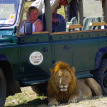
When a crossing begins, the scene can change in moments as wildebeest and zebra move towards the river. Safari guides use their knowledge and experience to position guests at suitable viewing areas while respecting the wildlife and the reserve.
River crossings are dramatic but unpredictable. Crocodiles, strong currents and steep riverbanks are among the challenges faced by the migrating herds as they continue their remarkable journey through the Masai Mara.
No two days on a migration safari are the same, and it is this unpredictability that makes witnessing the Great Migration such an extraordinary wildlife experience.